
 Arabic
 Chinese
 French
 Hindi
Hindi
 Russian
 Spanish
Articles
Pharma Facility Design for GMP Compliance: Zero-Defect Approach

In pharmaceutical manufacturing, most compliance failures originate long before production begins. More than 70% of critical FDA observations are linked to facility design flaw issues embedded in layout, zoning, HVAC, and utilities. These structural weaknesses often remain invisible until a regulatory inspection exposes them, leading to costly remediation, delayed launches, and months of lost production. Retrofitting compliance after construction can cost five to ten times more than designing it correctly from the start.
The Shift from “GMP Compliance” to “GMP‑Inherent Design”
Modern regulatory expectations demand that Quality by Design (QbD)begin at the architectural stage. A zero‑defect facility is engineered so that compliance is inherent, not added later. When the plant layout, utilities, and workflows are designed with GMP principles embedded into the structure, non‑compliance becomes physically difficult. This approach transforms the facility into a long‑term asset that consistently performs under FDA, EU‑GMP, and WHO‑PQ scrutiny.
Flow and Segregation: Eliminating Cross‑Contamination Risks
Material and personnel movement is one of the biggest contributors to cross‑contamination and mix‑ups. Poorly planned flows often result in warning letters and critical observations. Audit‑ready facilities use unidirectional flow, airlocks, and risk‑based segregation to ensure that each dosage form whether OSD, injectables, MDI, DPI, Nasal Spray or any other dosage form operates within its own controlled environment. When movement logic is intentional and visible, inspectors immediately recognize a design built for compliance.
HVAC and Environmental Control: The Foundation of Sterility Assurance
Incorrect HVAC zoning, pressure cascades, or environmental conditions can lead to particulate contamination, microbial excursions, and OOS batches. Zero‑defect facilities rely on ISO‑aligned zoning, pressure cascade mapping, and redundant AHUs for critical areas. When environmental control is engineered with precision, smoke studies, qualification, and routine monitoring become predictable and robust.
Utilities and Automation: Embedding Data Integrity into Plant Infrastructure
Data integrity extends far beyond QC labs. Utilities such as WFI, HVAC, and compressed air must support 21 CFR Part 11 and Annex 11 requirements. Audit‑ready facilities incorporate ASME BPE‑compliant piping, zero dead legs, fully drainable systems, and secure SCADA automation with controlled access and audit trails. When utilities are designed for data integrity, “use‑as‑is” deviations disappear.
Risk‑Based Room Classification: Designing for Contamination Control
Assigning ISO classes based on thumb rules or quick judgements often leads to qualification failures. Instead, contamination risk must be mapped using Quality Risk Management (QRM). High‑potency products may require isolators or RABS from the concept stage, and different dosage forms demand distinct pressure cascades. When room classification aligns with actual product risk, qualification becomes smoother and more predictable.
Movement Logic: The Most Overlooked Element of GMP Facility Design
Equipment placement is easy; movement logic is where most facilities fail. Designing dedicated material airlocks, interlocked pass boxes, segregated waste flows, and clear gowning gradients creates a flow architecture that prevents mix‑ups and contamination. Inspectors appreciate layouts that demonstrate foresight and deliberate GMP intent.
Data Integrity by Design: The New Regulatory Expectation
Utilities must be engineered to support audit trails, controlled access, and compliant automation. When WFI systems, HVAC controls, and compressed air networks follow ASME BPE and Part 11 principles, data integrity becomes a natural outcome. This strengthens qualification readiness and eliminates common utility‑related observations.
Future‑Proofing for Annex 1 and Emerging Technologies
Regulatory expectations are evolving rapidly. The 2023 revisions to EU GMP Annex 1, the rise of continuous manufacturing, and advancements in ICH guidelines require facilities to be flexible. Modular cleanrooms, scalable HVAC capacity, skidded utilities, and reserved expansion zones ensure that plants remain compliant and adaptable without major CAPEX shocks.
Early Qualification: The Secret Behind First‑Attempt Success
High‑performing facilities begin qualification early. Design Qualification (DQ), FMEA‑based layout risk assessments, 3D modelling, and CFD airflow simulations help identify risks before construction. FAT and SAT protocols defined before URS finalization ensure that performance qualification proceeds smoothly and successfully on the first attempt.
The ROI of Zero‑Defect Facility Design
A zero‑defect design approach may increase initial CAPEX by five to ten percent, but it reduces lifecycle OPEX by up to twenty‑five percent and eliminates high cost remediation risks. A facility is the first and most enduring batch record it communicates compliance, intent, and discipline to every auditor who enters it.
More Articles

The pharmaceutical industry is entering a new era of inhalation manufacturing as Metered Dose Inhalers (MDIs) shift from traditional high‑GWP propellants

In pharmaceutical manufacturing, most compliance failures originate long before production begins. More than 70% of critical FDA observations are linked to facility design flaw issues embedded in layout, zoning, HVAC, and utilities.
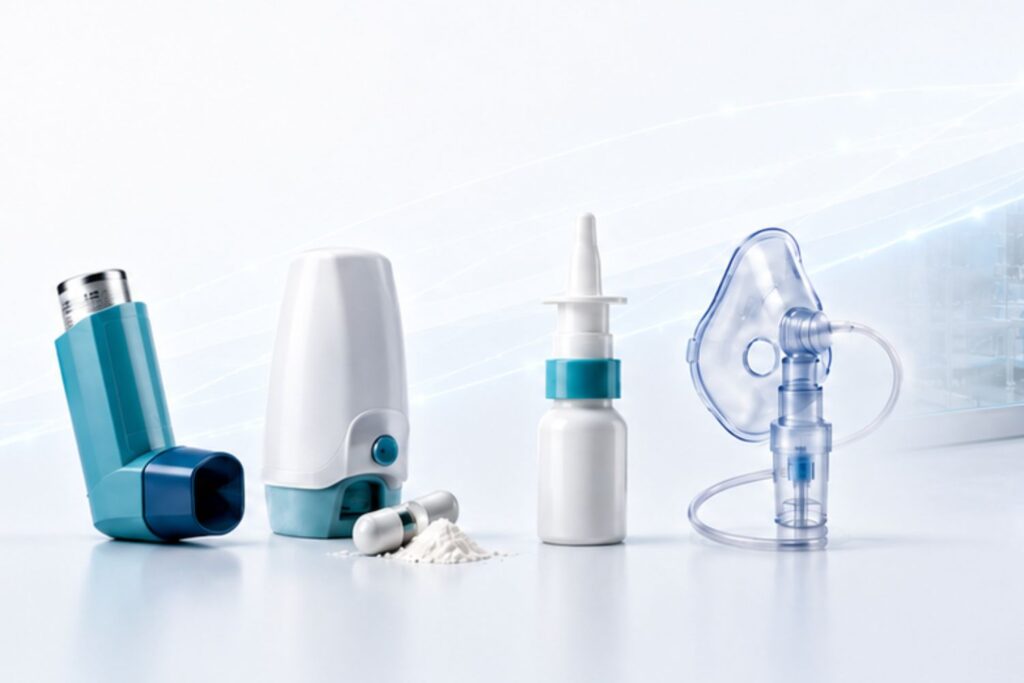
Pharmaceutical companies increasingly prefer facilities capable of manufacturing MDIs, DPIs, Nasal sprays, and Nebulizer solutions within a single integrated setup. This approach reduces capital expenditure, accelerates product diversification, and centralizes quality systems.

Injectable products whether LVPs, SVPs, or dry‑powder injectables operate within the most stringent regulatory and operational frameworks in the pharmaceutical industry. Sterility, particulate control, equipment compatibility, and aseptic workflow make technology transfer for injectables significantly
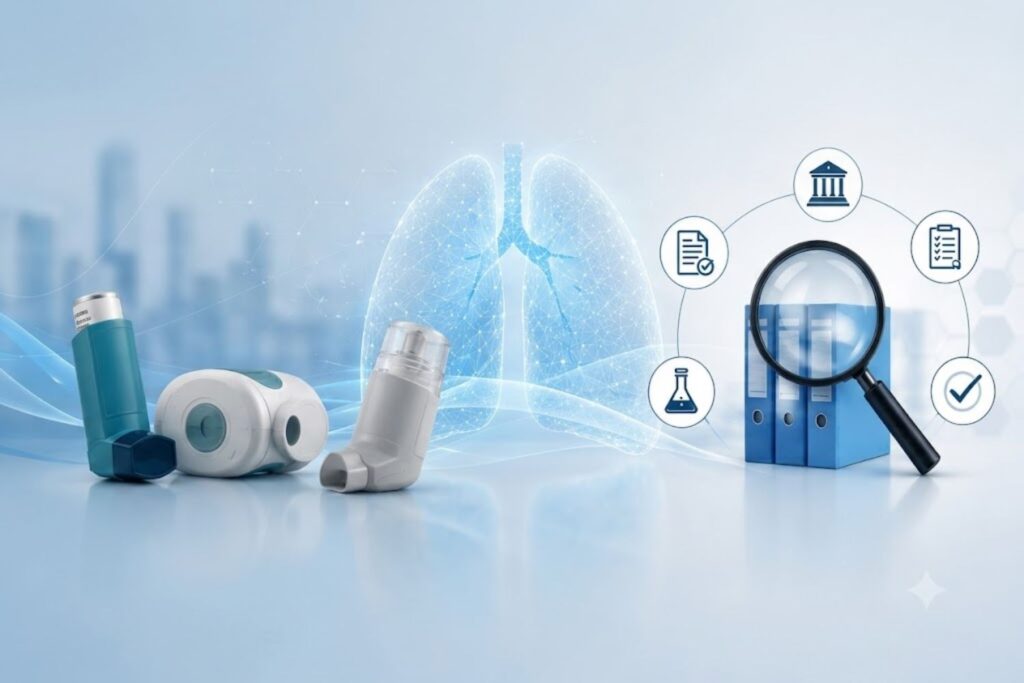
Inhalation therapies deliver drugs directly to the lungs, making them highly sensitive to particle size, device performance, and patient handling. Because of this, both USFDA and EMA treat inhalation products as complex drug–device combinations, requiring deeper evaluation than conventional oral dosage forms.