
 Arabic
 Chinese
 French
 Hindi
Hindi
 Russian
 Spanish
Articles
Tech Transfer Roadmap for Injectable Products

Why Injectable Tech Transfer Demands Exceptional Precision
Injectable products whether LVPs, SVPs, or dry‑powder injectables operate within the most stringent regulatory and operational frameworks in the pharmaceutical industry. Sterility, particulate control, equipment compatibility, and aseptic workflow make technology transfer for injectables significantly more complex than for oral or topical dosage forms. A successful tech transfer ensures that a formulation developed at one site can be reproduced consistently, safely, and compliantly at another site without compromising product quality or patient safety.
Laying the Foundation: Process Understanding and Documentation
The first step in any injectable tech transfer is establishing a deep, structured understanding of the product and its manufacturing process. This includes the formulation design, critical quality attributes, critical process parameters, and the rationale behind each processing step. A comprehensive technology transfer dossier forms the backbone of the exercise. It typically includes the manufacturing process description, equipment requirements, in‑process controls, analytical methods, and risk assessments. This dossier becomes the reference point for both the sending and receiving sites.
Equipment Mapping and Gap Assessment
Injectable manufacturing is highly equipment‑dependent, and even minor differences between facilities can affect product quality. A detailed equipment mapping exercise compares the sending site’s equipment with that of the receiving site. Differences in mixing systems, filtration setups, sterilization equipment, filling machines, and lyophilizers (for dry‑powder injectables) must be identified early. Where gaps exist, the receiving site may need equipment upgrades, process adjustments, or additional validation studies. This step ensures that the process remains reproducible despite equipment variations.
Process Translation and Scale‑Up Strategy
Scaling up injectable processes requires careful translation of laboratory or pilot‑scale parameters to commercial‑scale operations. Key considerations include mixing dynamics, heat transfer, filtration rates, sterilization cycles, and filling speeds. Even small changes in batch size can influence product attributes such as pH, osmolality, particulate load, or reconstitution time (for lyophilized products). A structured scale‑up plan ensures that each parameter is adjusted scientifically, maintaining alignment with the product’s critical quality attributes.
Pilot, Exhibit, and Validation Batches
Once the process is adapted to the receiving site, manufacturing begins with pilot batches. These batches help confirm that the translated process behaves as expected. Exhibit batches follow, typically used for regulatory submissions and stability studies. Finally, validation batches demonstrate that the process consistently produces product meeting all specifications. Across all stages, sterility assurance, environmental monitoring, and aseptic technique evaluation remain central to batch acceptance.
Aseptic Process Mapping and Contamination Control
Injectable tech transfer requires meticulous mapping of aseptic workflows. This includes personnel movement, material flow, equipment sterilization, and environmental controls. Critical contamination risks such as microbial ingress, particulate generation, and equipment residue must be identified and mitigated. A robust contamination control strategy ensures that the receiving site can maintain sterility assurance levels equivalent to the sending site.
Analytical Method Transfer and Validation
Analytical methods used to evaluate injectables must be transferred with the same rigor as the manufacturing process. This includes method verification or validation at the receiving site, instrument compatibility checks, and analyst training. Parameters such as assay, impurities, particulate matter, sterility, endotoxin levels, and container‑closure integrity must be reproducible across both sites.
Regulatory Documentation and Inspection Readiness
Regulators expect clear evidence that the tech transfer was executed systematically and scientifically. Documentation must demonstrate process understanding, equipment equivalence, risk mitigation, and validation outcomes. Inspection readiness is essential, as injectable facilities are frequently audited for aseptic practices, sterilization cycles, environmental monitoring, and contamination control.
Why a Structured Tech Transfer Roadmap Matters
A well‑designed tech transfer roadmap reduces delays, prevents batch failures, and ensures regulatory compliance. It also enables smoother scale‑up, faster market entry, and long‑term manufacturing stability. For complex sterile products, a structured roadmap is not just beneficial but it is indispensable.
More Articles

The pharmaceutical industry is entering a new era of inhalation manufacturing as Metered Dose Inhalers (MDIs) shift from traditional high‑GWP propellants

In pharmaceutical manufacturing, most compliance failures originate long before production begins. More than 70% of critical FDA observations are linked to facility design flaw issues embedded in layout, zoning, HVAC, and utilities.
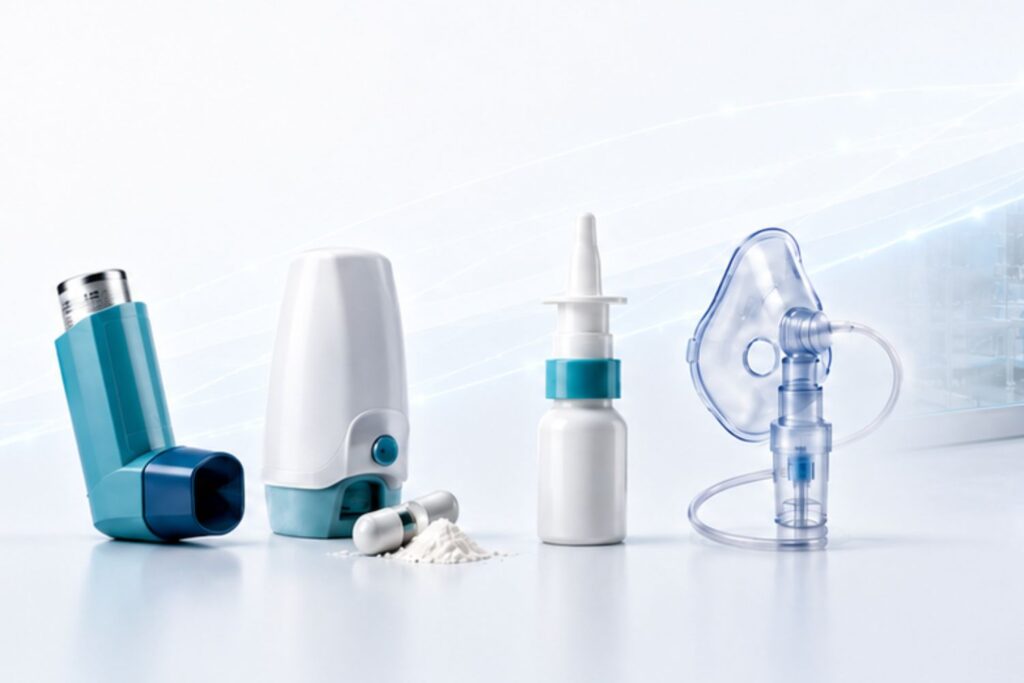
Pharmaceutical companies increasingly prefer facilities capable of manufacturing MDIs, DPIs, Nasal sprays, and Nebulizer solutions within a single integrated setup. This approach reduces capital expenditure, accelerates product diversification, and centralizes quality systems.

Injectable products whether LVPs, SVPs, or dry‑powder injectables operate within the most stringent regulatory and operational frameworks in the pharmaceutical industry. Sterility, particulate control, equipment compatibility, and aseptic workflow make technology transfer for injectables significantly
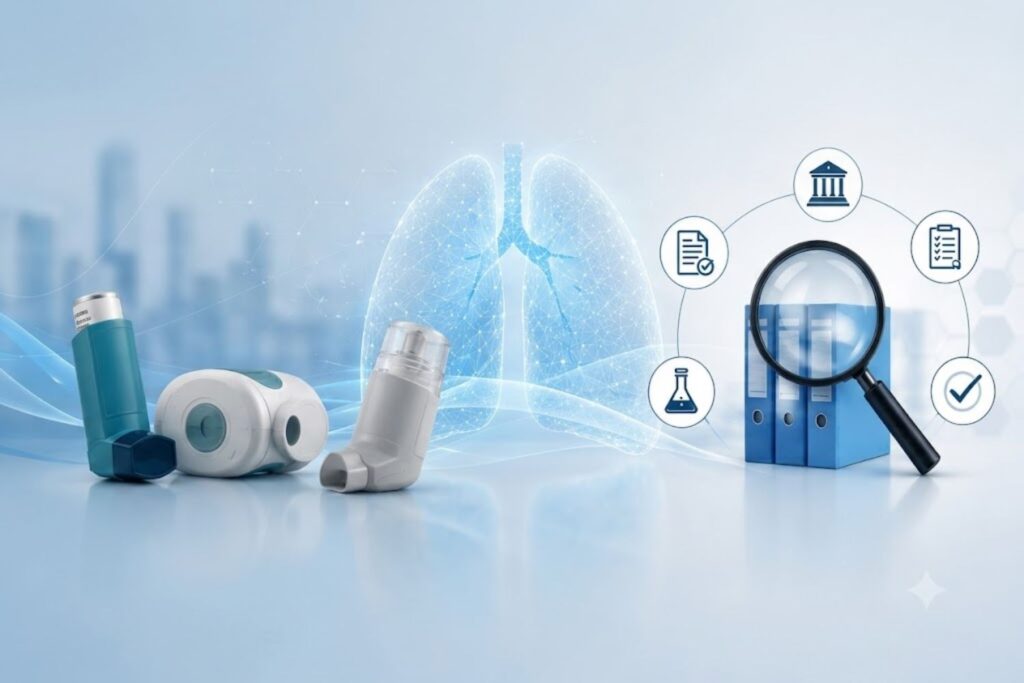
Inhalation therapies deliver drugs directly to the lungs, making them highly sensitive to particle size, device performance, and patient handling. Because of this, both USFDA and EMA treat inhalation products as complex drug–device combinations, requiring deeper evaluation than conventional oral dosage forms.