
 Arabic
 Chinese
 French
 Hindi
Hindi
 Russian
 Spanish
Articles
Green Propellant MDI Manufacturing Plant Design: Engineering the Next Generation of Sustainable Inhalation Systems

The Global Transition to Low‑GWP Propellants
The pharmaceutical industry is entering a new era of inhalation manufacturing as Metered Dose Inhalers (MDIs) shift from traditional high‑GWP propellants such as HFA‑134a and HFA‑227ea to environmentally responsible alternatives like HFA‑152a and HFO‑1234ze. These green propellants offer a dramatic reduction in environmental impact, with both the propellants exhibiting a Global Warming Potential significantly lower than the legacy propellants like HFA 134a.
This transition, however, is far more complex than replacing one propellant with another. Green propellants introduce new engineering, safety, and regulatory considerations that require a complete rethinking of how MDI facilities are designed, operated, and validated.
Engineering Implications of Green Propellants
Green propellants behave differently from traditional fluorinated gases. Their flammability classification demands a higher level of safety engineering, including ATEX‑aligned zoning, ignition‑control strategies, and enhanced risk‑mitigation measures. Materials that were fully compatible with older propellants must be re‑evaluated, as elastomers, coatings, and sealing systems may respond differently to the new molecules.
Lower boiling points and higher vapor pressures also influence process stability. Robust containment, thermal control, and precise mass‑flow management become essential to ensure product consistency and operator safety.
Designing the Facility: Zoning and Safety Architecture
A green‑propellant MDI facility begins with a carefully engineered zoning strategy. Hazardous area classification typically Zone 1 or Zone 2 determines how equipment is selected, where electrical systems can be placed, how ventilation must be routed, and how emergency shutdown systems are integrated.
A well‑structured zoning plan ensures that safety is embedded into the facility’s architecture. This includes:
Clearly defined hazardous and non‑hazardous zones
Explosion‑proof electrical and instrumentation systems
Segregated personnel and material movement pathways
Strategically positioned emergency isolation and shutdown systems
The zoning philosophy must be incorporated from the earliest design stage to ensure compliance and operational efficiency.
Propellant Storage and Transfer Systems
Green propellant storage and transfer systems require significant upgrades compared to traditional MDI facilities. Explosion‑proof storage vessels, inerting systems, continuous leak‑detection mechanisms, and pressure‑relief arrangements become essential components of the design.
Transfer lines must be engineered to minimize dead legs and maintain thermal stability. This ensures safe handling of flammable propellants while maintaining product quality. The entire storage and transfer ecosystem must prevent ignition sources, minimize vapor accumulation, and maintain propellant integrity throughout the process.
Filling and Crimping: Adapting to New Propellant Behavior
Although the conceptual workflow of filling and crimping remains similar to traditional MDI operations, green propellants require specific adaptations. Charging heads, grounding systems, temperature‑controlled environments, and high‑precision mass‑flow controllers must be optimized for the physical properties of HFA‑152a and HFO‑1234ze.
These refinements ensure dose accuracy, product integrity, and long‑term device performance. The filling line becomes a critical control point where engineering precision directly influences therapeutic reliability.
HVAC and Environmental Control: The Primary Safety Barrier
In green‑propellant facilities, HVAC systems evolve from being a utility to becoming a primary safety barrier. High air‑change rates, dedicated exhaust pathways, pressure cascades that prevent vapor migration, and real‑time VOC monitoring are essential to maintaining a safe working environment.
A robust HVAC strategy must:
Prevent accumulation of flammable vapors
Maintain strict pressure differentials between zones
Support rapid dilution and extraction of leaked propellant
Integrate seamlessly with gas‑detection and alarm systems
Environmental control becomes a dynamic safety mechanism, continuously protecting both personnel and product.
Regulatory Expectations and Risk‑Based Justification
Regulators expect a risk‑based justification for every design decision in green‑propellant MDI facilities. This includes structured hazard analyses such as HAZOP and FMEA, qualification of explosion‑proof equipment, validation of leak‑detection systems, and demonstration of environmental and occupational safety.
Compliance requires clear evidence that the unique risks associated with green propellants have been fully understood, mitigated, and validated. Inspection readiness must be built into the design rather than added later.
Building Future‑Ready MDI Facilities
Transitioning to green propellants is both an environmental responsibility and a strategic investment in long‑term regulatory readiness. Facilities designed around HFA‑152a or HFO‑1234ze are cleaner, safer, and aligned with global climate commitments. They represent the next generation of inhalation manufacturing engineered for sustainability, compliance, and operational excellence.
Green‑propellant MDI plants are not simply an upgrade; they are a complete re‑engineering of how inhalation products will be manufactured in the future.
More Articles

The pharmaceutical industry is entering a new era of inhalation manufacturing as Metered Dose Inhalers (MDIs) shift from traditional high‑GWP propellants

In pharmaceutical manufacturing, most compliance failures originate long before production begins. More than 70% of critical FDA observations are linked to facility design flaw issues embedded in layout, zoning, HVAC, and utilities.
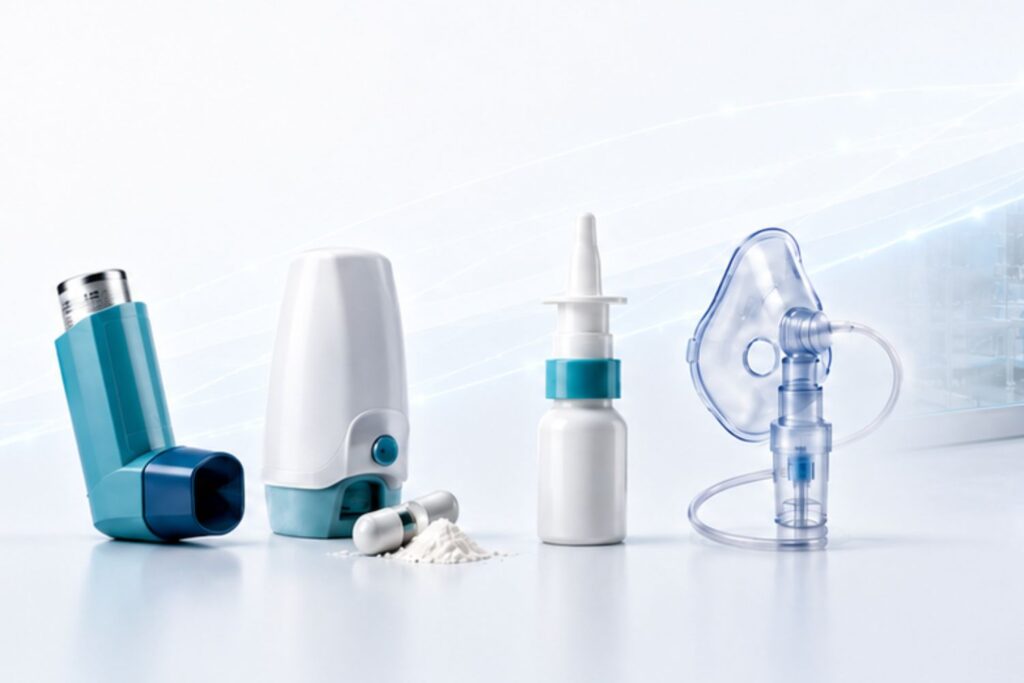
Pharmaceutical companies increasingly prefer facilities capable of manufacturing MDIs, DPIs, Nasal sprays, and Nebulizer solutions within a single integrated setup. This approach reduces capital expenditure, accelerates product diversification, and centralizes quality systems.

Injectable products whether LVPs, SVPs, or dry‑powder injectables operate within the most stringent regulatory and operational frameworks in the pharmaceutical industry. Sterility, particulate control, equipment compatibility, and aseptic workflow make technology transfer for injectables significantly
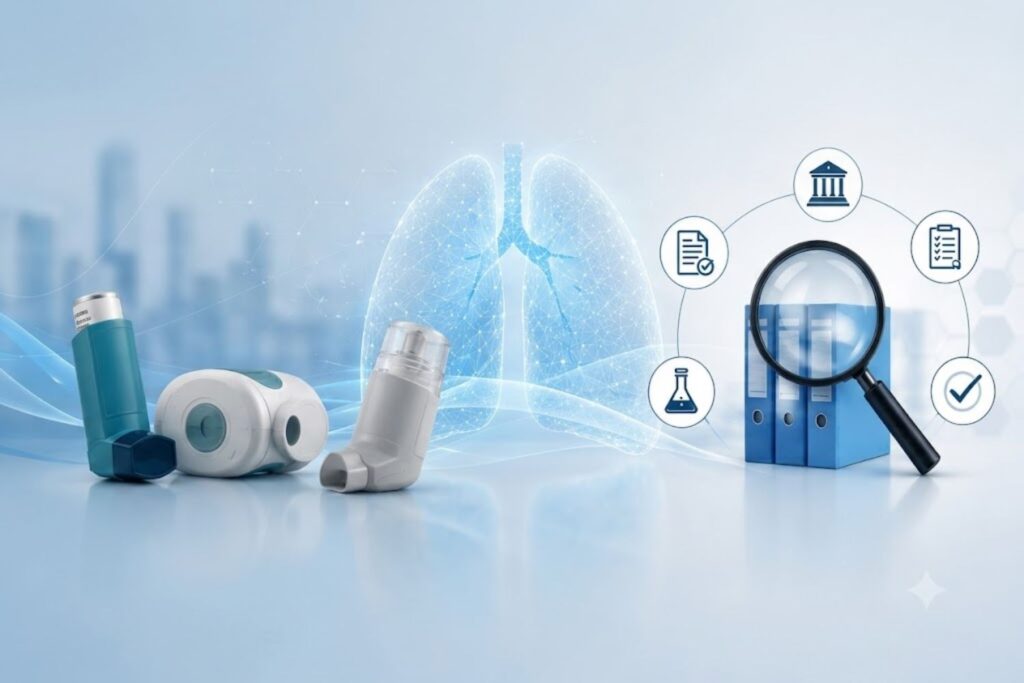
Inhalation therapies deliver drugs directly to the lungs, making them highly sensitive to particle size, device performance, and patient handling. Because of this, both USFDA and EMA treat inhalation products as complex drug–device combinations, requiring deeper evaluation than conventional oral dosage forms.