

 Arabic
 Chinese
 French
 Hindi
Hindi
 Russian
 Spanish
Articles
Designing a Multi‑Dosage Inhalation Facility

The Modern Need for Multi‑Dosage Inhalation Facilities
Pharmaceutical companies increasingly prefer facilities capable of manufacturing MDIs, DPIs, Nasal sprays, and Nebulizer solutions within a single integrated setup. This approach reduces capital expenditure, accelerates product diversification, and centralizes quality systems. However, combining four distinct dosage forms requires thoughtful engineering, risk‑based segregation, and a deep understanding of how each product behaves during manufacturing.
Understanding the Four Dosage Streams
Each inhalation dosage form has its own operational and regulatory expectations. MDI manufacturing focuses on propellant handling, explosion‑proof zoning, crimping, and leak testing. DPI manufacturing revolves around micronization, powder blending, capsule or blister filling, and device assembly. Nasal spray manufacturing requires viscosity control, spray pattern testing, and either aseptic or controlled non‑aseptic filling. Nebulizer solution production involves sterile filtration, preservative compatibility, and ensuring consistent device performance.
To highlight the differences clearly, a few essential distinctions are worth noting:
- MDIs involve flammable propellants and require specialized safety zoning.
- DPIs depend heavily on powder flow properties and humidity control.
- Nasal sprays demand precise spray characteristics and controlled environments.
- Nebulizer solutions require sterile or near‑sterile liquid processing.
Zoning and Segregation: The Core of GMP Compliance
The most critical challenge in designing a multi‑dosage facility is preventing cross‑contamination between powder‑based, solution‑based, and propellant‑based operations. MDI zones must be explosion‑proof and designed for safe propellant handling. DPI zones require low‑humidity environments and dedicated micronization rooms. Nasal spray and nebulizer operations typically run in Grade C or Grade B cleanrooms depending on sterility requirements.
A well‑designed layout ensures unidirectional movement of materials and personnel, with segregation built into the architecture from the earliest design stage.
HVAC: The Invisible Backbone of Facility Performance
HVAC design determines contamination control, product stability, and regulatory acceptance. Pressure cascades must be maintained to prevent powder migration into different zones. DPI operations require low humidity, often between 20 and 30 percent, to maintain powder flow and prevent agglomeration. Nasal spray and nebulizer rooms need high air‑change clean room environment. MDI propellant areas must operate with dedicated air‑handling units to avoid recirculation of flammable vapors.
A hybrid HVAC architecture shared systems for non‑critical areas and dedicated units for high‑risk zones is often the most effective solution.
Equipment Integration Without Cross‑Risk
A multi‑dosage inhalation facility must accommodate a wide range of equipment, including MDI filling lines, DPI capsule or blister filling lines, nasal spray filling and crimping systems, nebulizer solution compounding and filling equipment, device assembly stations, and aerosol performance testing laboratories.
Where appropriate, certain areas can be shared:
- Secondary packing
- Warehousing
- Selected device assembly operations
- QC laboratories (with strict SOP‑based segregation)
Primary manufacturing equipment, however, must remain fully segregated to ensure product integrity.
Material and Personnel Flow Design
Efficient flow design is essential for GMP compliance. Separate entry and exit routes are required for powder handling, propellant operations, and sterile manufacturing. Airlocks must be placed between zones with different cleanliness classifications. Gowning rooms must be dedicated for sterile and non‑sterile operations. Automated material transfer systems such as pass boxes, conveyors, or Area Grading Value (AGV) help reduce human error and maintain segregation.
Flow design is often where facilities struggle, and it is also where expert consulting adds significant value.
Regulatory Expectations (USFDA, EMA, WHO)
Regulators expect clear segregation between dosage forms, documented risk assessments for cross‑contamination, validated HVAC performance, and robust cleaning validation across powder, solution, and propellant lines. They also expect evidence of device‑formulation compatibility studies. A multi‑dosage facility must be designed with inspection readiness built into its structure from the beginning.
Why Multi‑Dosage Facilities Are the Future
When designed correctly, multi‑dosage inhalation facilities offer faster portfolio expansion, lower capital expenditure through shared utilities, centralized quality control, and the ability to serve respiratory, ENT, and critical‑care markets. They become future‑ready platforms capable of supporting the next generation of inhalation therapies.
More Articles

The pharmaceutical industry is entering a new era of inhalation manufacturing as Metered Dose Inhalers (MDIs) shift from traditional high‑GWP propellants

In pharmaceutical manufacturing, most compliance failures originate long before production begins. More than 70% of critical FDA observations are linked to facility design flaw issues embedded in layout, zoning, HVAC, and utilities.
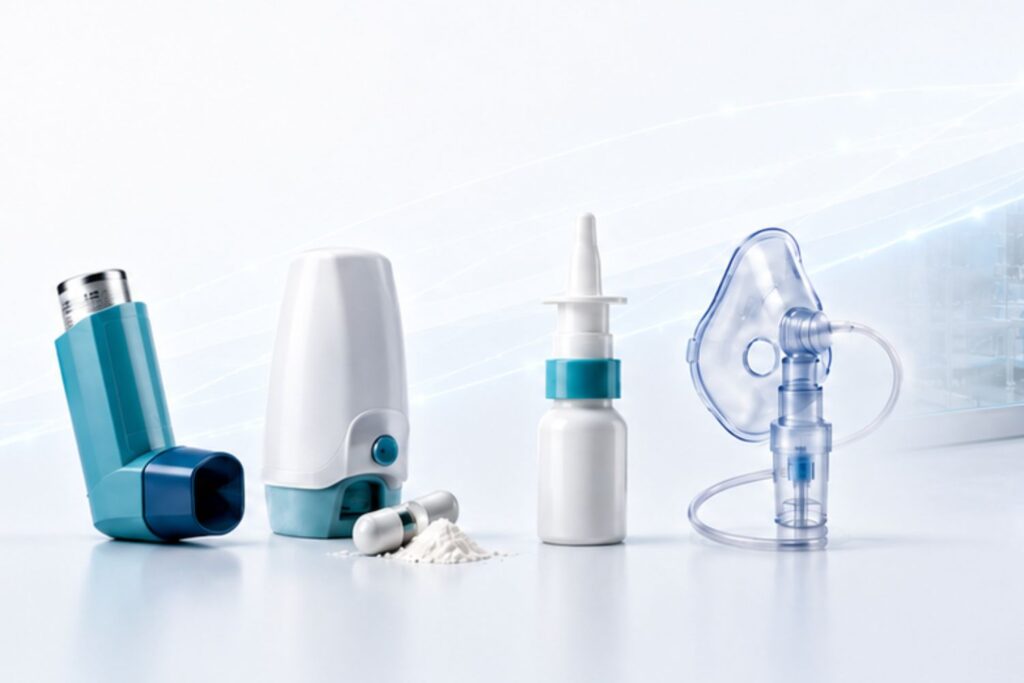
Pharmaceutical companies increasingly prefer facilities capable of manufacturing MDIs, DPIs, Nasal sprays, and Nebulizer solutions within a single integrated setup. This approach reduces capital expenditure, accelerates product diversification, and centralizes quality systems.

Injectable products whether LVPs, SVPs, or dry‑powder injectables operate within the most stringent regulatory and operational frameworks in the pharmaceutical industry. Sterility, particulate control, equipment compatibility, and aseptic workflow make technology transfer for injectables significantly
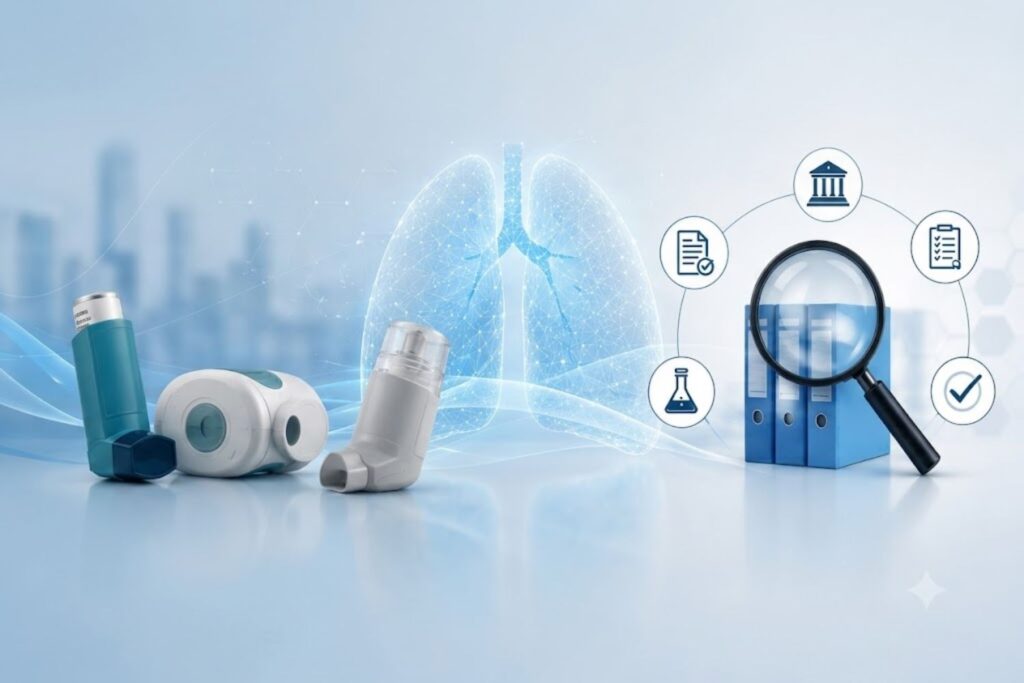
Inhalation therapies deliver drugs directly to the lungs, making them highly sensitive to particle size, device performance, and patient handling. Because of this, both USFDA and EMA treat inhalation products as complex drug–device combinations, requiring deeper evaluation than conventional oral dosage forms.