

 Arabic
 Chinese
 French
 Hindi
Hindi
 Russian
 Spanish



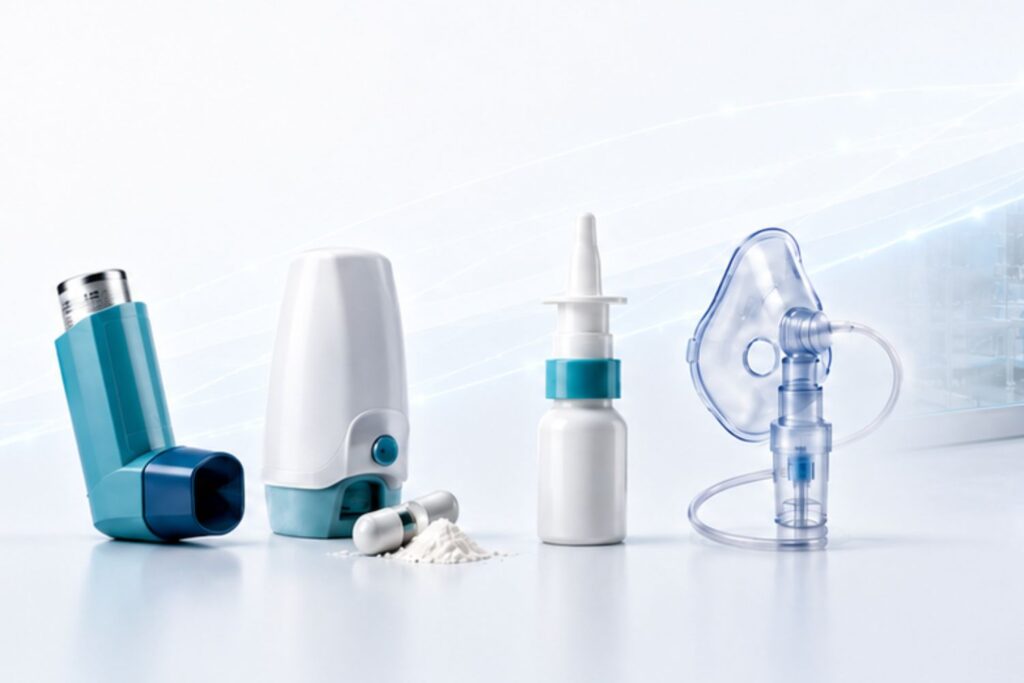

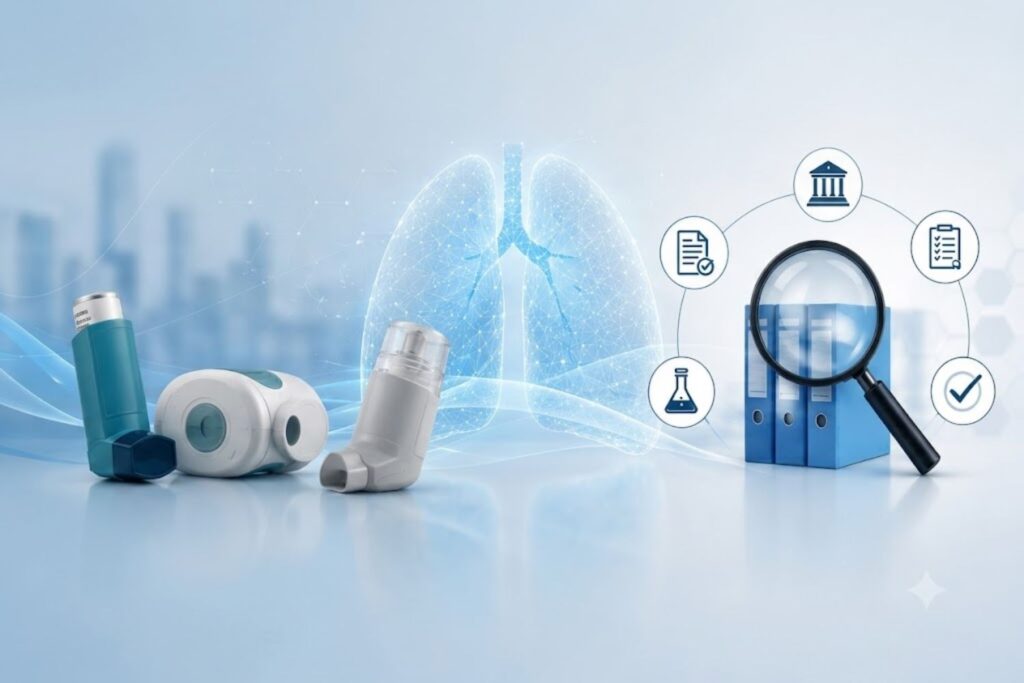
Inhalation therapies deliver drugs directly to the lungs, making them highly sensitive to particle size, device performance, and patient handling. Because of this, both USFDA and EMA treat inhalation products as complex drug–device combinations, requiring deeper evaluation than conventional oral or injectable dosage forms. Regulators expect manufacturers to demonstrate not only formulation quality but also device reliability, aerosol performance, and real‑world usability.
The USFDA evaluates inhalation products through a combination of product quality, device functionality, and clinical relevance. The agency places strong emphasis on performance, device–formulation compatibility, and human factors engineering.
Key expectations include:
USFDA’s approach is deeply rooted in real‑world patient use, making usability and device robustness central to regulatory acceptance.
EMA follows a structured, stepwise approach for inhalation products, especially for generics. The agency emphasizes in‑vitro equivalence, clinical endpoint studies, and device similarity, often requiring multiple layers of evidence before granting approval.
EMA’s expectations typically include:
EMA’s framework is more stepwise approach with systematic assessment of In-vitro, In-vivo and Clinical studies to establish efficacy and safety of an Inhalation product.
Despite differences in approach, USFDA and EMA share several foundational expectations. Both agencies require manufacturers to demonstrate that the inhalation product delivers a consistent dose, produces a reproducible aerosol, and remains stable throughout its shelf life. They also expect clear evidence that the device is intuitive, reliable, and free from critical use errors.
Across both regions, three pillars define regulatory success:
Manufacturers must integrate these pillars into development from the earliest stages, not as last‑minute additions.
Companies aiming to launch inhalation products globally must design their development programs to satisfy both USFDA and EMA expectations. A well‑aligned regulatory strategy reduces rework, accelerates approvals, and ensures that the product performs consistently across markets. For innovators and generic manufacturers alike, understanding these regulatory expectations is essential for building inhalation products that are safe, effective, and commercially viable.
The pharmaceutical industry is entering a new era of inhalation manufacturing as Metered Dose Inhalers (MDIs) shift from traditional high‑GWP propellants
In pharmaceutical manufacturing, most compliance failures originate long before production begins. More than 70% of critical FDA observations are linked to facility design flaw issues embedded in layout, zoning, HVAC, and utilities.
Pharmaceutical companies increasingly prefer facilities capable of manufacturing MDIs, DPIs, Nasal sprays, and Nebulizer solutions within a single integrated setup. This approach reduces capital expenditure, accelerates product diversification, and centralizes quality systems.
Injectable products whether LVPs, SVPs, or dry‑powder injectables operate within the most stringent regulatory and operational frameworks in the pharmaceutical industry. Sterility, particulate control, equipment compatibility, and aseptic workflow make technology transfer for injectables significantly
Inhalation therapies deliver drugs directly to the lungs, making them highly sensitive to particle size, device performance, and patient handling. Because of this, both USFDA and EMA treat inhalation products as complex drug–device combinations, requiring deeper evaluation than conventional oral dosage forms.